Abraham
Hefetz
Mis à jour le
01-Jui-2026
Professeur
émérite à l'Université de Tel Aviv, souvent invité à Villetaneuse
et à Tours. Diplôme de Dr Honoris Causa à Villetaneuse en
2001.
Prof. Abraham Hefetz is a chemical ecologist and evolutionary biologist. He is currently Emeritus Professor in the School of Zoology at Tel Aviv University in Tel Aviv, Israel. His specific field of interest lies in the evolution of chemical communication (pheromones) in social insects. His lab engages with unraveling both the chemical nature of pheromones and the behavior that they elicit. He was awarded an Honorary Doctor from Sorbonne Paris Nord University, France, and the title “Chevalier dans l’Ordre des Palmes Academiques” from the French Ministry of Education. He has taught courses on social evolution and behavioral ecology to name a few and has published extensively on bumble bees, honeybees, and ants.
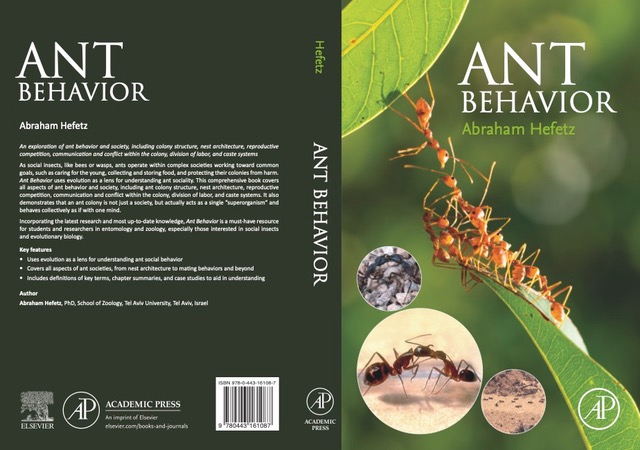
A publié en 2025 un livre sur le comportement des fourmis.
Abraham Hefetz, Ant Behavior, August 29, 2025, Academic Press, ISBN: 9780443161087, 130 €
Ant Behavior utilizes evolution as a framework for comprehending the social structure and conduct of ants. This book delves into the intricate workings of ant colonies, illustrating how they function not just as societies, but as cohesive "superorganisms." The text covers vital aspects such as colony structure, nest architecture, and the division of labor, emphasizing how ants collectively achieve their societal goals. In addition to exploring the colony dynamics, this comprehensive guide sheds light on reproductive competition, communication, and intra-colonial conflict. It explains the complex caste systems and details how ants engage in collective behavior to protect their colonies.
Drawing on the latest research, it provides readers with a deep understanding of ant sociality and evolutionary biology. The book is an essential resource for students and researchers in entomology and zoology, particularly those with an interest in social insects and evolutionary studies.
Superbe livre qui récapitule tout sur le comportement des fourmis
et une dédicace touchante (29 mars 2026) : 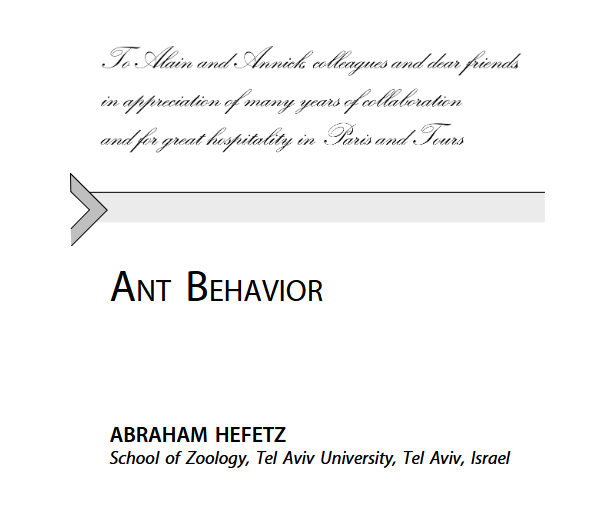
De très belles figures, par exemple : 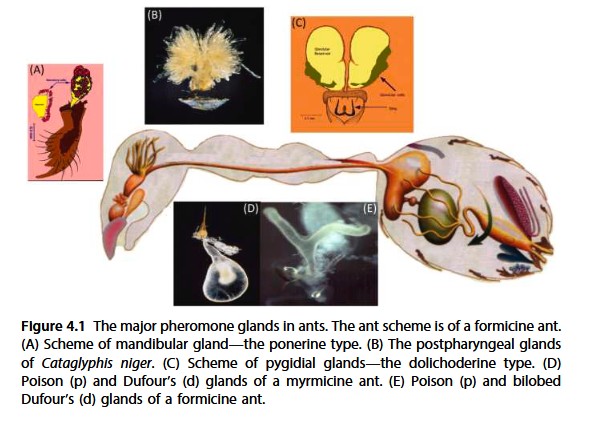
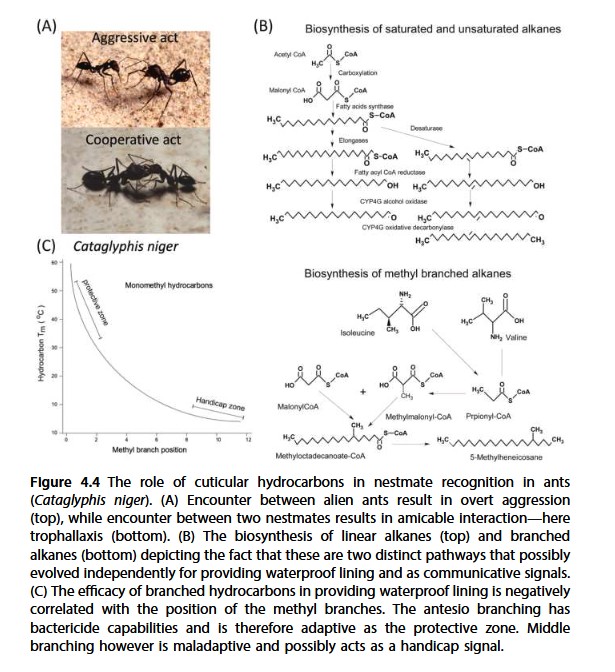
History
After completing my military service, I worked as a field guide in the Ein Gedi Nature Reserve, the oasis near the Dead Sea, from 1969 to 1970. There, I had my first myrmecological experience through observations of the weaver ant *Polyrhachis simplex*. I was fascinated by the ants’ ability to use silk to line their nests and to provide shelter for *Oxyrhachis* leafhoppers, which supply the ants with honeydew.
During my bachelor’s studies in Life Sciences at Tel Aviv University from 1970 to 1973, I developed a strong interest in organic chemistry and biochemistry and decided to pursue studies in insect physiology. A decisive moment came when I attended a seminar on ant pheromones presented by the late Murray Blum, who visited Israel. I realized that I wanted to specialize in chemical communication, combining my interests in chemistry and entomology. I contacted Blum, and I was delighted when he agreed to serve as my advisor.µI subsequently traveled to the United States, where I earned my PhD in Entomology at the University of Georgia. My dissertation was titled “The Biosynthesis of Formic Acid in Formicine Ants.” I then completed postdoctoral training in mass spectrometry with the late Hank Fales at the National Institutes of Health in Bethesda, Maryland, from 1978 to 1979. During this period, I broadened my interest in social chemical communication through studies of ants, bees, and wasps.
Upon returning to Israel, I joined the Department of Zoology at Tel Aviv University as a lecturer. This marked a full circle in my career, as one of my first studies had focused on elucidating the pheromone communication system of Polyrhachis simplex. Throughout my career at Tel Aviv University, I continued to investigate pheromone systems and the behaviors they elicit in ants and bees, integrating my expertise in insect biochemistry and behavior.
Many of my studies on ants focused on two of the most common species in Israel, Camponotus fellah and Cataglyphis niger. Although I spent most of my academic career at Tel Aviv University, my frequent visits to France and my collaborations with Alain Lenoir, first at Université Paris Nord and later at IRBI in Tours, greatly strengthened my career as a myrmecologist. I first met Alain Lenoir at the IUSSI meeting in 1986, and I was pleased to accept his invitation to visit Paris as a visiting professor. Thereafter, for over 20 years I spent almost every summer in France, including one sabbatical year as a CNRS fellow.
I also had the opportunity to collaborate with several researchers, including the late Christine Errard, Dominique Fresneau, and Pierre Jaisson. Two major honors in my career were associated with French institutions: in 2001, I received an honorary doctorate (Dr. Honoris Causa) from Université Paris Nord, and in 2012, I was awarded the title of Chevalier dans l’Ordre des Palmes Académiques by the French Ministry of Education. I retired in 2017 as Emeritus Professor, but I continue to work on ant communication.
En 2015 

Abraham Hefetz remise prix Honoris Causa au LEEC (Villetaneuse) en 2000 : 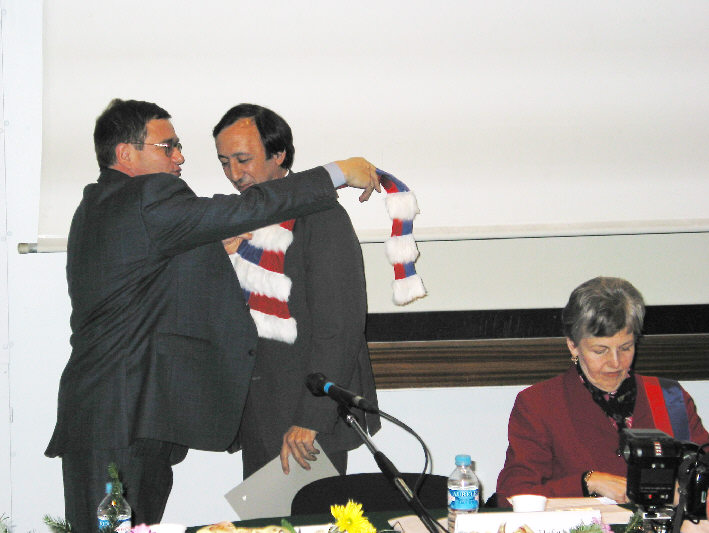
Séville 2019 : 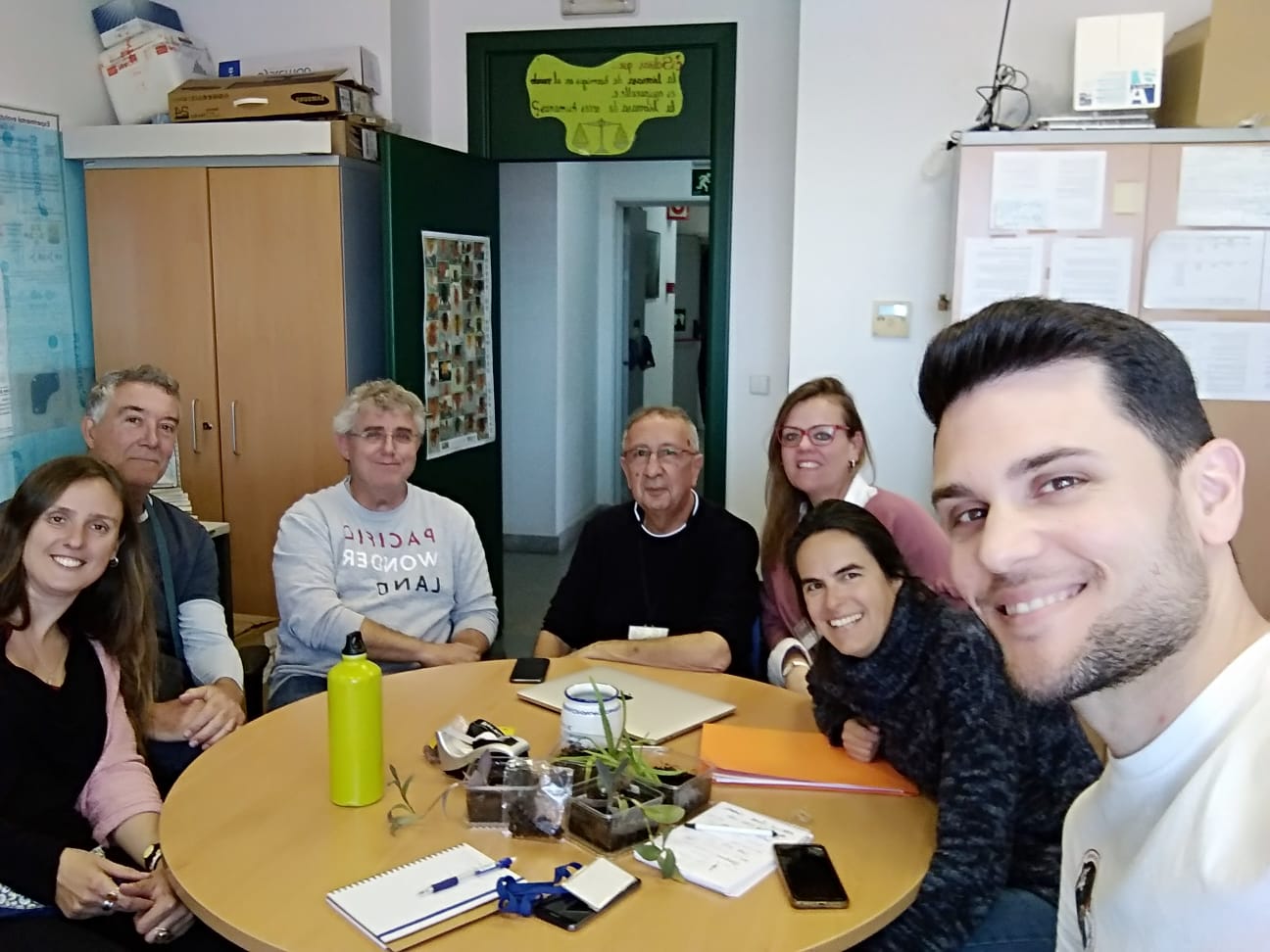
En Touraine en 2001 : 
Congrès Paris 1994 : 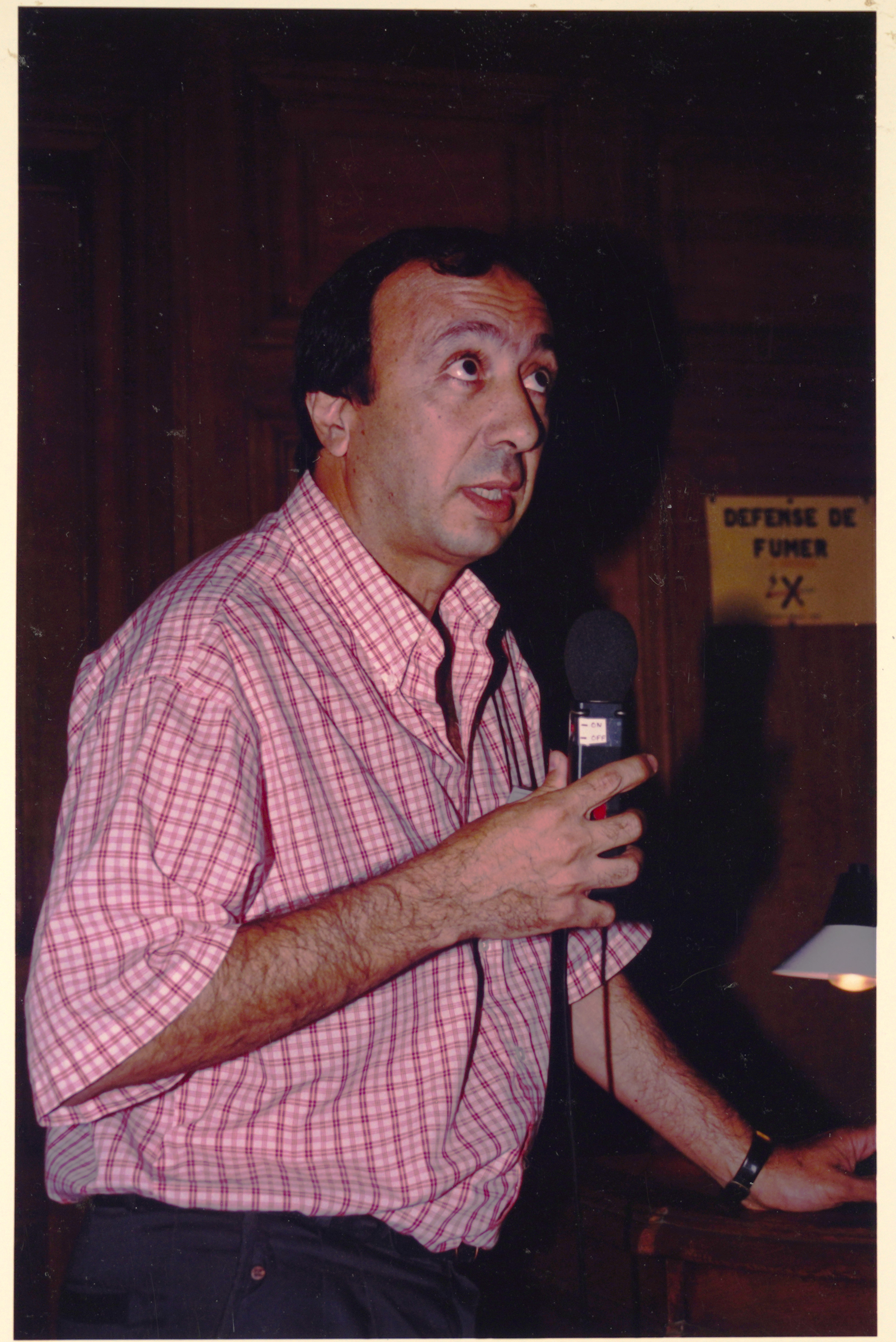
Au Chili en 1996 : 
Louvain 1992 :